Electrical hazards
Stay out if water may have reached outlets, wiring, panels or powered equipment.

We help control plumbing sources, assess affected mechanical equipment and coordinate the right next steps after water enters your home.
Protect people first. Water near electrical or gas equipment can create serious hazards, and contaminated water requires careful handling.
Stay out if water may have reached outlets, wiring, panels or powered equipment.
Shut off a supply only when it can be reached without entering water or approaching electrical hazards.
Report municipal sewer or drainage concerns through Toronto 311 and follow their current instructions.
Open a claim early and ask what documentation and mitigation steps your policy requires.
Treat sewage and unknown flood water as contaminated and avoid direct contact.
Do not operate furnaces, boilers or water heaters that may have been exposed to flood water.
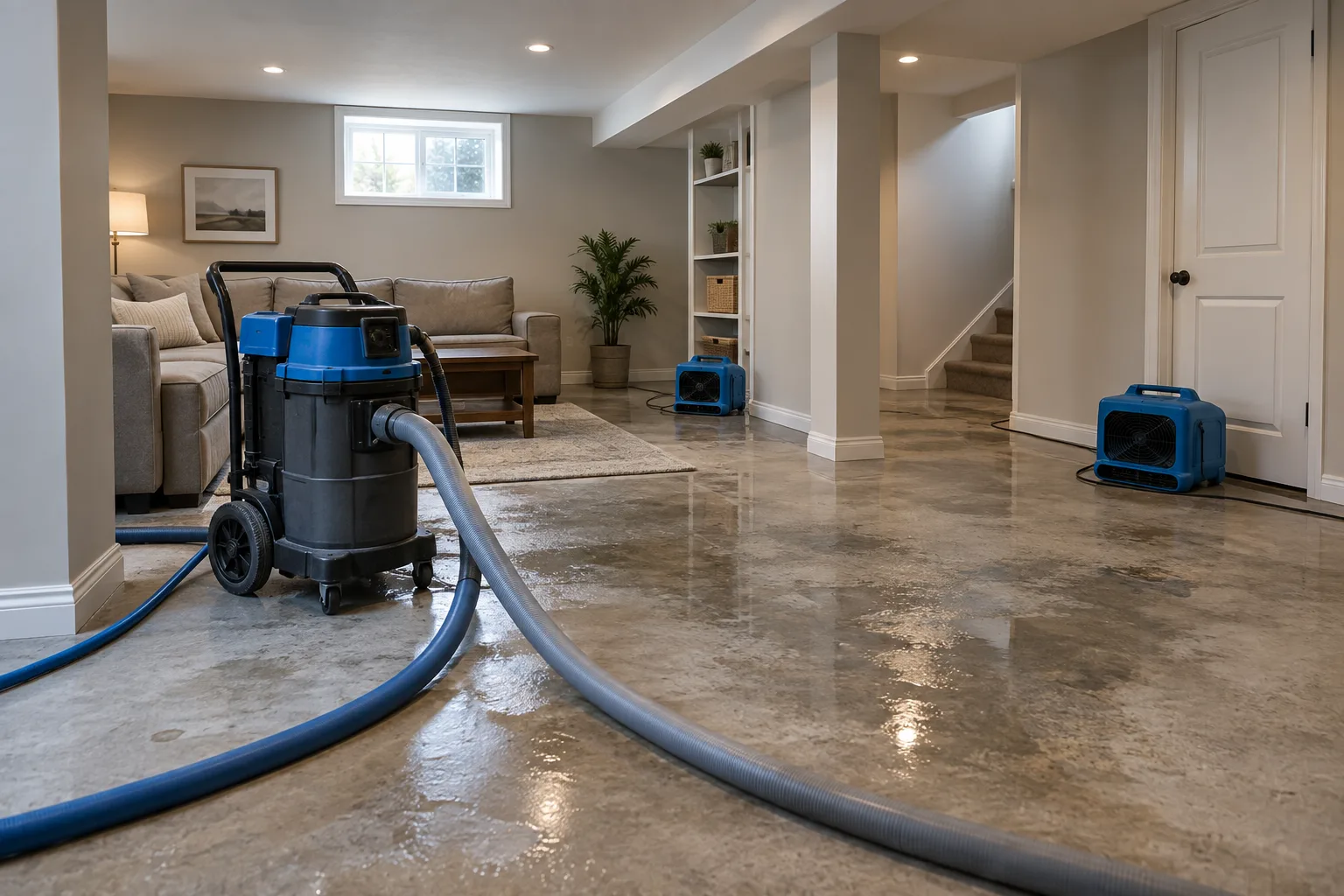
Heavy rain, sewer backup, sump-pump failure, burst pipes and leaking equipment can put water into a basement with little warning. Fast, safe action helps limit damage.
Climate Works can help assess plumbing sources and affected mechanical systems, then clarify the next repair and recovery steps.
Request flood remediation serviceRemove standing water after the property is safe to enter.
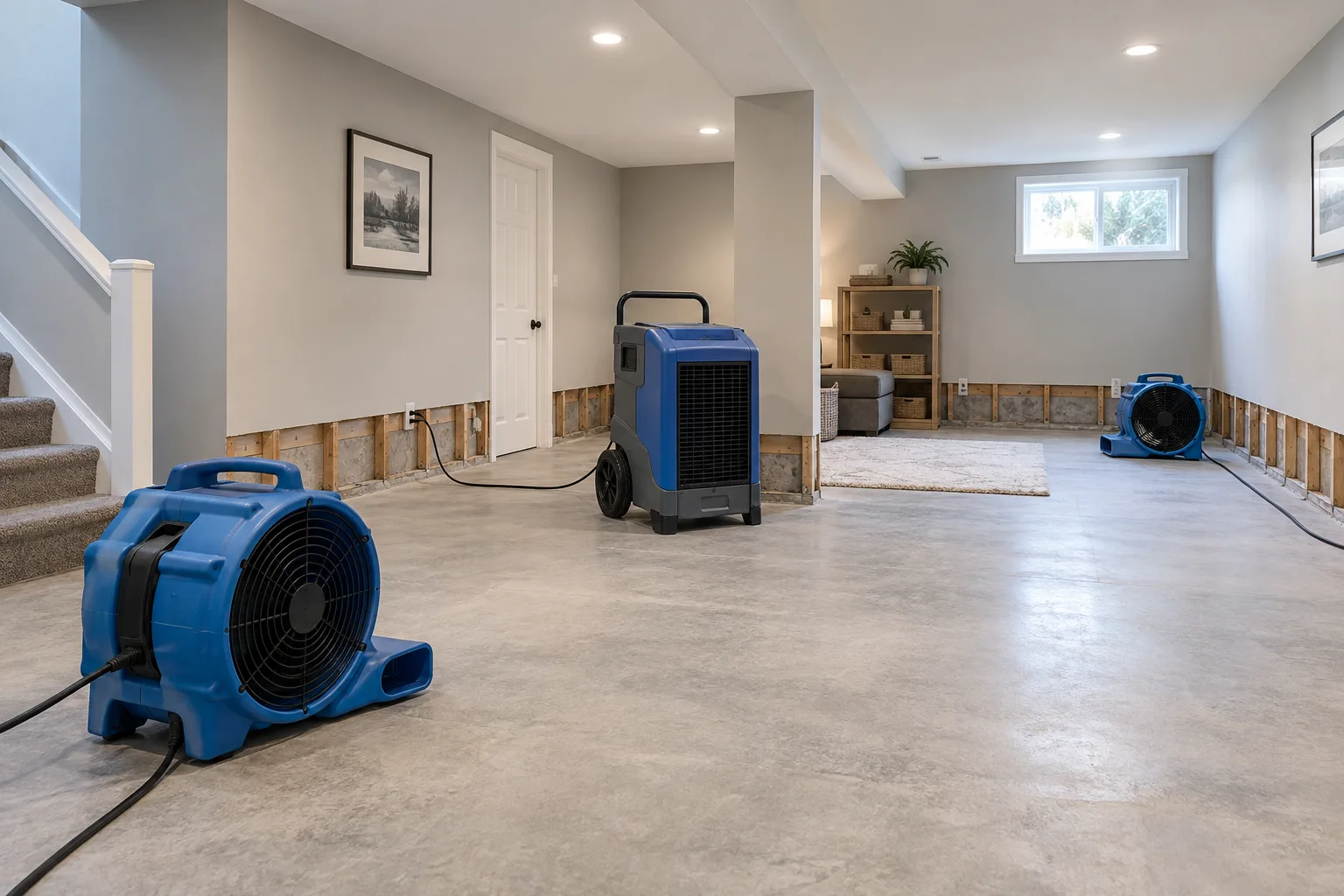
Use appropriate air movement and dehumidification to dry affected materials.
Check concealed and visible areas to understand the extent of water migration.
Remove unsalvageable materials and prepare affected areas for restoration.
Identify and repair burst pipes, failed fixtures or other plumbing sources.
Assess furnaces, boilers, pumps and water heaters exposed to water.
Dry promptly and address damp materials to reduce conditions that support mould.
Intense rain can overwhelm drainage and saturate soil around a foundation.
Overloaded sewers or drain problems can force water back into a basement.
Mechanical failure or a power outage can allow groundwater to accumulate quickly.
Frozen or failed plumbing can release significant water in a short time.
A leaking or failed tank can cause substantial basement water damage.
Water can enter through cracks, joints, window wells and other openings.
Supply lines, fixtures and drains can fail behind walls or ceilings.
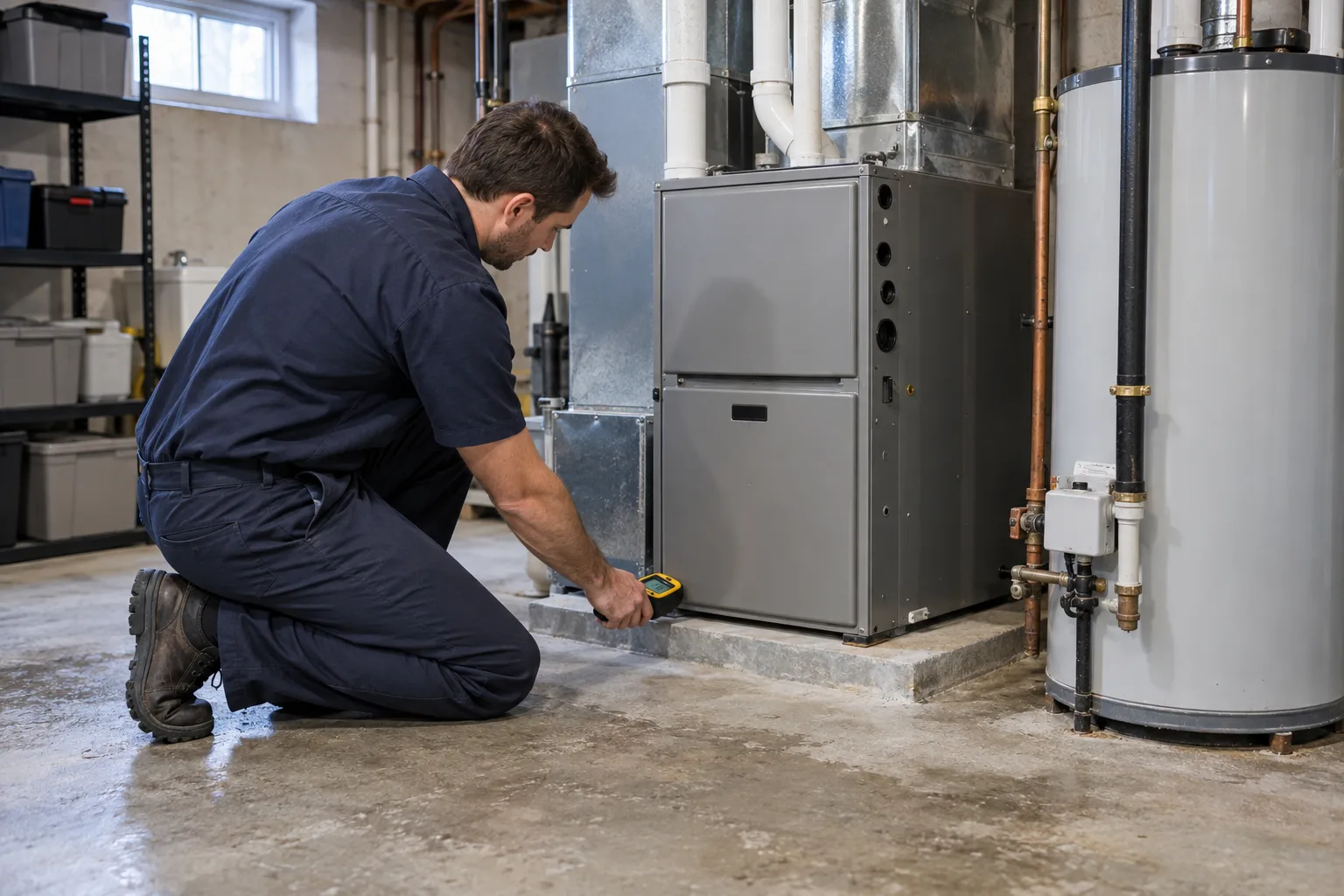
Flood-damaged gas and electrical appliances should not simply be turned back on. Furnaces, boilers, water heaters, heat-pump equipment, controls and pumps exposed to water should be inspected before operation.
Request an equipment assessmentContact your insurer early. When safe, photograph and video the damage, inventory affected belongings, retain invoices and keep records of calls and claim numbers. Coverage and requirements vary by policy.
Capture wide views and close details before damaged materials are moved when practical.
List affected rooms, belongings, equipment and the dates actions were taken.
Keep estimates, invoices, claim details and communication with service providers.
Keep people and pets away. Do not enter if water may have reached electrical equipment. When safe, identify the likely source, contact Toronto 311 when appropriate, notify your insurer and arrange an assessment.
Do not enter if water has reached outlets, appliances, extension cords, baseboard heaters, the electrical panel or wiring.
If using a fixture causes water to rise through a basement drain, stop using plumbing fixtures until the problem has been assessed.
Not without an inspection. Equipment or controls exposed to flood water should be assessed by an appropriately qualified professional before operation.
Do not attempt to restart a water heater that has been submerged or exposed to flood water. Arrange a professional inspection.
Once the source is controlled and the property is safe, water and remaining moisture should be removed as quickly as practical.
Yes. Damp building materials can support mould growth. Prompt water removal and thorough drying help reduce the risk.
Coverage varies by policy and by the source of the water. Contact your insurer early to confirm coverage and documentation requirements.
Tell us what is happening and we will help you plan the next step.